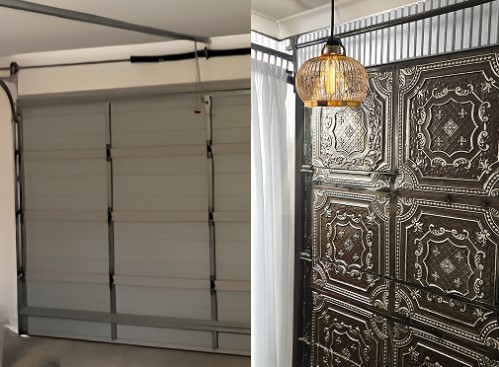
Do Insulated Garage Doors Work to Regulate Temperature and Save Energy?
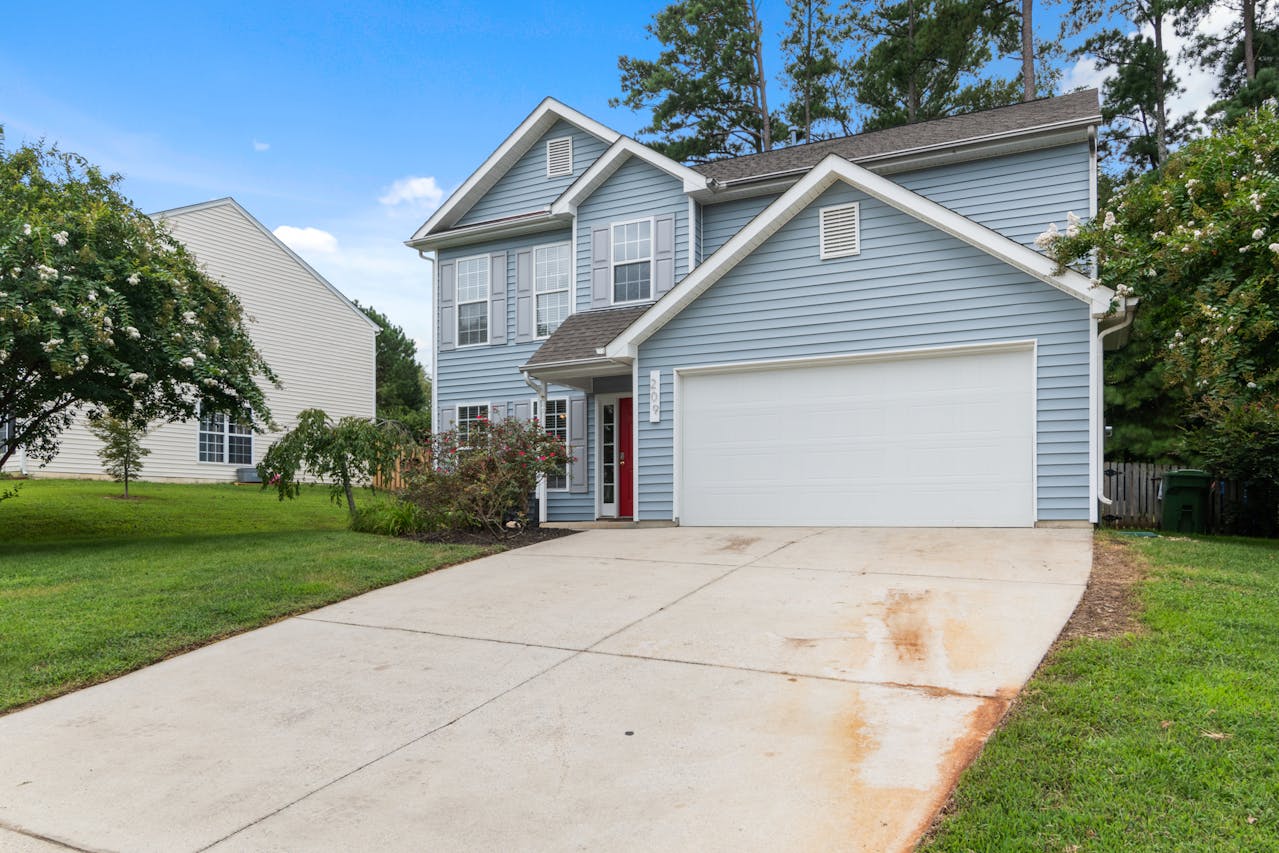
Do insulated garage doors work to solve the problem of freezing winters and stifling summers in your garage? Yes. Recent 2024 industry data shows insulated doors prevent up to 70% of energy leakage compared to uninsulated models, particularly in attached garages. When upgrading, consult experienced garage builders who understand thermal performance and local climate demands.
Effectiveness is measured by R-value. Experts recommend a minimum of 10 to 13 hours for most climates. Beyond temperature control, insulated doors offer better structural integrity and noise reduction.
Thermal Resistance And The R-Value Standard
R-value measures how effectively a door prevents heat movement. Higher numbers mean better defense against energy loss.
Modern standards suggest R-values between 10 and 15 create a substantial thermal barrier. These models use dense polyurethane or polystyrene insulation to block external temperature swings.
When a door lacks thermal resistance, it acts as a heat sink. It pulls warmth out during winter or allows heat in during summer. Installing a door with an R-value of 13 or higher seals one of the largest gaps in your home's thermal envelope. This leads to consistent indoor temperatures and less strain on HVAC systems.
Climate matters. Northern regions with sub-zero temperatures need a minimum rating of 15 for maximum efficiency.
Energy Efficiency Impact On Attached Garages
For attached garages, the door is the largest moving wall and a primary point of heat exchange. Uninsulated doors leak up to 70% more heat than insulated models. This makes them a liability for household efficiency.
Insulated doors stabilize garage temperature by minimizing heat transfer. This prevents the space from forcing your HVAC system to work harder.
Most attached garages share a wall with a living room or kitchen. Many have bedrooms above them. When the garage temperature isn't regulated, these shared surfaces drain energy from living areas.
Contractors serving the Minneapolis-St. Paul area since 1949, regularly recommended R-15 doors for harsh Minnesota winters. Proper thermal barriers protect comfort and property value.
High R-value doors reduce monthly utility bills by creating a consistent thermal envelope. The structural integrity of insulated doors also reduces air infiltration around the opening. This airtight seal prevents drafts from migrating into the home.
Structural Durability And Noise Reduction Benefits
Insulated doors use multi-layer construction. A core of polyurethane or polystyrene is bonded between two layers of steel. This creates a rigid panel that withstands impacts from basketballs, hail, or vehicle bumps.
These doors last longer and need fewer repairs than single-layer alternatives.
The dense core also serves as an acoustic barrier. This benefits homes on busy streets or near industrial areas. The insulation dampens vibrations and absorbs sound waves, preventing the garage from echoing.
For garages used as workshops, gyms, or home offices, noise reduction creates a comfortable environment. The added weight ensures the door operates quietly on its tracks. No loud rattling like uninsulated metal doors.
Because insulated doors don't vibrate easily, they put less strain on automatic openers and mounting hardware. This means smoother operation and better long-term performance.
Selecting The Right Door For Your Climate
Uninsulated doors leak up to 70% more heat than high-performance models. Material choice is critical for energy efficiency.
Key questions to ask contractors:
What R-value do you recommend for my climate?
How is the insulation secured inside the panels?
What warranty covers the insulation and structure?
Can you provide local installation references?
For most climates, experts suggest a minimum R-value between 10 and 13. Northern regions need R-values of 15 or higher.
High-performance doors regulate temperature, provide structural integrity, and operate quietly. Choose manufacturers that integrate insulation seamlessly rather than adding it as an afterthought.
Advanced sealing techniques and multi-layer construction prevent drafts and moisture infiltration. This protects vehicles and the home's foundation.
Maximizing Home Efficiency with Insulated Garage Doors
2024 and 2025 industry standards confirm insulated garage doors are an important component of energy-efficient homes. They prevent heat loss through the large surface area of uninsulated doors.
Attached garages see immediate benefits. Insulation stabilizes temperatures in adjacent living spaces and reduces HVAC workload. High-performance models keep garages warmer in winter and cooler in summer. This translates to lower utility bills and a comfortable environment.
Multi-layer construction adds rigidity. Doors withstand impacts and high winds better than single-layer alternatives. Dense insulation also dampens sound, reducing street noise and mechanical vibrations.
Focus on R-value ratings between 10 and 15 for the best balance of cost and performance. Professional installation from qualified contractors ensures proper sealing and efficient operation for decades. A high-quality insulated garage door is a strategic upgrade for home durability and energy management.