Ventilation and Cooling Tips for Garages in Texas Heat
Keeping a garage usable during a Texas summer requires a combination of ventilation, insulation, and smart cooling systems. With outdoor temperatures regularly exceeding 95–100°F, garages can become significantly hotter without proper airflow and heat control. The strategies below help reduce heat buildup and improve comfort while protecting stored items and equipment.
Why Texas Garages Get Dangerously Hot in Summer
Texas garages often reach temperatures 10–20°F hotter than the outside air, especially in enclosed or poorly ventilated spaces. Heat enters through the roof, walls, and garage door, while limited airflow traps that heat inside. Vehicles parked inside add to the problem, releasing residual heat for hours after use. In many parts of Texas, high humidity also reduces the effectiveness of passive cooling methods, particularly along the Gulf Coast. Dark roofing materials and west-facing garage doors increase solar heat gain in the afternoon, making orientation and materials key factors in temperature buildup.
How Garage Cooling Needs Vary Across Texas Regions
Garage cooling strategies can differ depending on where you live in Texas. In North Texas (DFW), homeowners deal with intense summer heat combined with occasional winter cold snaps, making insulation and flexible systems like mini-splits especially useful. Along the Gulf Coast, high humidity is a major factor, so ventilation alone is often not enough. Moisture control and sealed insulation systems, such as spray foam, become more important in these areas. In West Texas, the climate is drier with larger temperature swings between day and night. Ventilation and shading can be more effective here, but insulation is still essential to manage extreme daytime heat. Understanding your region helps you choose the most effective combination of cooling solutions.
Roof and Soffit Vents: Passive Cooling Without Power
One of the most effective ways to reduce garage heat is through passive ventilation. Properly installed soffit vents and ridge vents allow cooler air to enter low and hot air to escape at the roofline. This system relies on natural airflow and does not require electricity. While results vary by home, properly balanced ventilation can significantly reduce attic temperatures, which in turn helps lower heat transfer into the garage below. For best performance, intake (soffit) and exhaust (ridge or roof vents) should be balanced in size and distribution to maintain consistent airflow.
Attic Fans and Exhaust Systems for Active Airflow
View this post on Instagram
When passive ventilation isn’t enough, powered attic fans or garage exhaust fans can improve airflow. These systems actively remove hot air and can help reduce heat buildup during peak afternoon hours. Wall-mounted or ceiling-mounted exhaust fans work well in garages when paired with intake vents or open pathways for fresh air. Solar-powered attic fans are also a popular option in Texas, as they operate during the hottest parts of the day without increasing energy costs. Proper installation is important to avoid drawing hot air from other parts of the home or creating pressure imbalances.
Common Ventilation Products Used in Texas Garages
In Texas, homeowners often rely on proven ventilation products designed for high heat conditions. Popular options include gable-mounted attic fans and solar-powered attic ventilators, which help remove hot air efficiently without excessive energy use. Brands such as QuietCool, Master Flow, and iLIVING are widely available and designed to handle attic spaces up to 1,500–1,800 square feet. Wall-mounted exhaust fans are another practical solution for garages, especially when paired with intake vents or open doorways. These systems are commonly installed near the ceiling to pull out rising heat and improve overall airflow.
Portable AC vs Mini-Split Systems for Texas Garages
View this post on Instagram
For garages used as workshops or extended living spaces, mechanical cooling may be necessary. Portable air conditioners are affordable and easy to install but tend to struggle in extreme Texas heat and require venting through a window or door. Mini-split systems offer a more effective long-term solution. These systems provide consistent cooling, operate quietly, and are designed to handle high temperatures. While installation costs are higher, mini-splits are better suited for maintaining a stable environment in Texas garages.
Typical Costs for Cooling Systems and Upgrades
Cooling a garage in Texas can range from simple upgrades to more advanced systems, depending on your needs and budget. Portable air conditioners typically cost $300 to $700, while mini-split systems provide stronger performance at a higher upfront investment. A professionally installed mini-split system usually costs between $2,000 and $9,000, with an average around $3,500 depending on size and installation complexity. Ventilation upgrades such as attic or exhaust fans generally range from $100 to $600 for equipment, with additional installation costs if needed. Insulation projects vary widely, with blown-in or fiberglass insulation averaging about $1.50 to $2.50 per square foot, while spray foam can reach $3.50 to $4.50 per square foot in Texas homes. These ranges help homeowners prioritize improvements based on both performance and budget.
Insulating Garage Walls and Ceilings to Block Heat
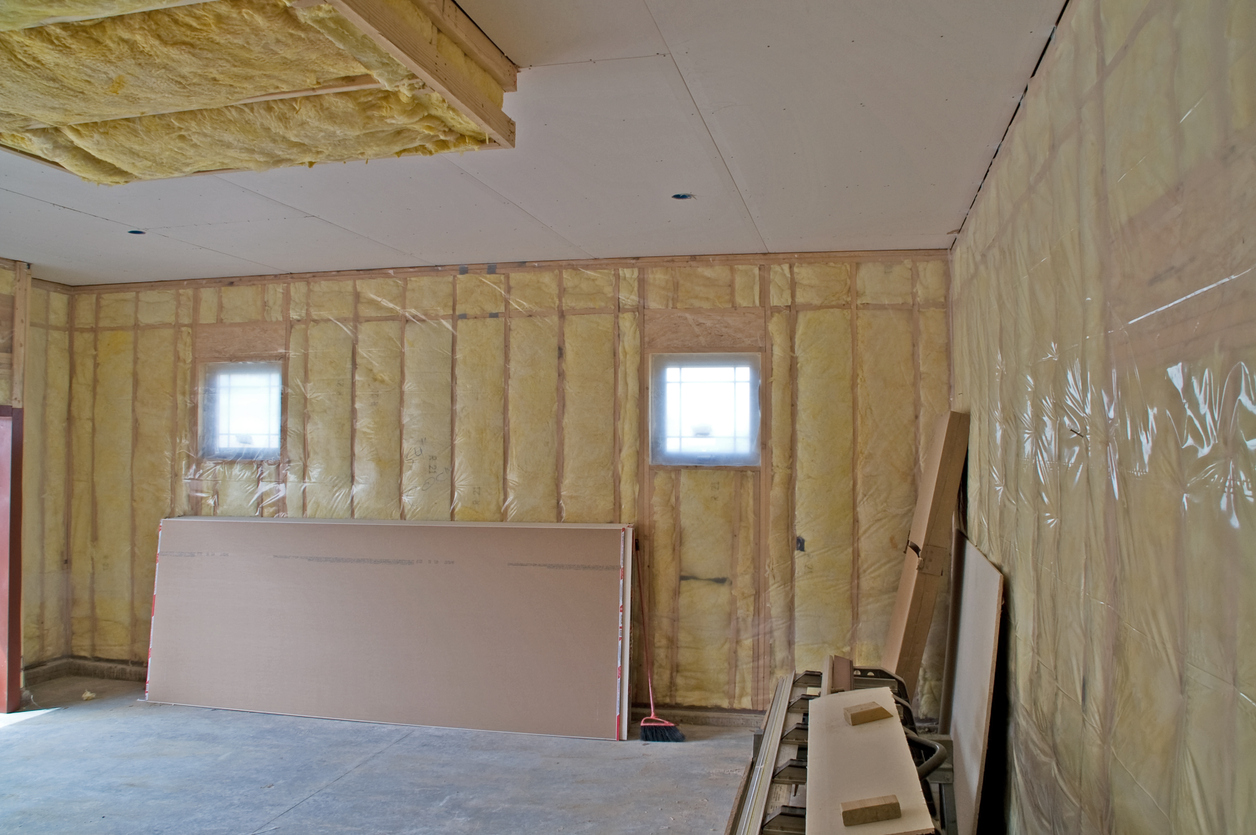
Insulation plays a critical role in preventing heat from entering your garage. Recommended insulation levels for Texas homes typically include:
- Walls: R-13 to R-21
- Ceilings: R-30 to R-38 or higher
- Garage doors: R-9 or higher for basic insulation, with higher values offering better performance
Materials such as spray foam, fiberglass batts, or blown-in cellulose can all be effective when properly installed. Sealing gaps and air leaks is just as important as the insulation itself.
Radiant Barriers: Reflecting Heat Before It Enters
Radiant barriers are especially effective in hot climates like Texas. Installed along the underside of the roof, these reflective materials reduce radiant heat transfer, helping keep attic and garage spaces cooler. While they do not replace insulation, radiant barriers can complement it by lowering the amount of heat entering the structure in the first place. Their effectiveness depends on proper installation and maintaining an air gap.
Opening Garage Doors and Windows for Airflow
Natural ventilation can help reduce heat buildup, particularly during early mornings and evenings when outdoor temperatures are lower. Opening garage doors and windows creates cross-ventilation that allows hot air to escape. However, this approach is less effective during peak heat or in humid conditions, where outside air may not provide meaningful cooling.
Insulated Garage Doors: R-Values That Matter
View this post on Instagram
Garage doors are one of the largest sources of heat gain. Upgrading to an insulated garage door can significantly improve temperature control. Doors with higher R-values—especially those using polyurethane insulation—offer better thermal resistance and durability. For Texas conditions, choosing a door rated R-12 to R-18 or higher can noticeably reduce heat transfer and improve comfort.
Budget Cooling Combos: Pairing Ventilation and Insulation
For homeowners seeking cost-effective solutions, combining basic insulation with improved airflow can make a noticeable difference. Adding insulation to walls and ceilings helps block heat, while fans and ventilation systems remove hot air. Simple upgrades such as weatherstripping, sealing gaps, and using portable fans can improve comfort without major investment. For additional impact, shading the garage with landscaping or exterior coverings can reduce direct sun exposure during the hottest parts of the day.
Step-by-Step Cooling Upgrades for Homeowners on a Budget
If you’re improving your garage over time, start with the most cost-effective upgrades before investing in larger systems. Begin by sealing gaps around doors and windows, then add basic insulation to walls and ceilings to reduce heat transfer. Next, improve airflow with fans or passive ventilation, such as soffit and ridge vents. Once these foundational upgrades are in place, consider adding an exhaust fan or upgrading your garage door insulation. For garages used frequently as workspaces, a mini-split system can be added as a final step to provide consistent cooling after heat reduction measures are already in place.
Maintenance Tips for Long-Term Ventilation Performance
To keep ventilation systems working effectively in Texas heat, regular maintenance is essential. Dust and debris can reduce airflow, especially in attic fans and vents, so cleaning intake and exhaust openings periodically helps maintain efficiency. Inspect fan motors and electrical components at least once a year to ensure proper operation. For solar-powered systems, keeping panels clean improves performance during peak sunlight hours. It’s also important to check insulation and sealing over time, as gaps or compression can reduce effectiveness and allow heat to re-enter the space.