American Home Garage Facts That Might Surprise You
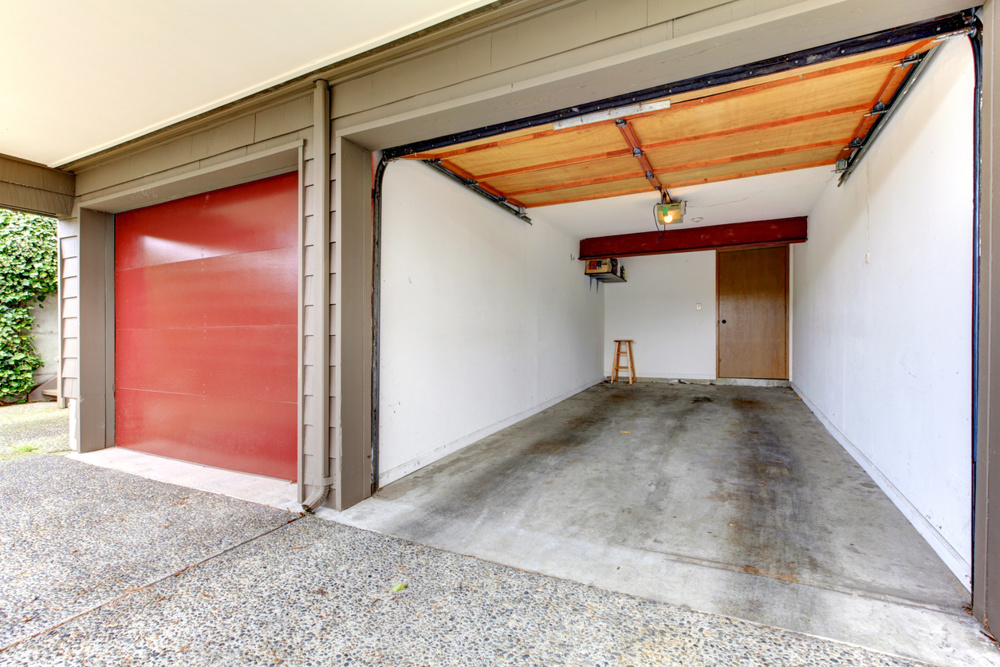
Your garage probably hasn’t sheltered a car in years—and you’re far from alone. Across the United States, the garage has quietly shifted from a place for vehicles into one of the most flexible and overworked spaces in the home. What was once designed for parking now holds tools, storage bins, workout equipment, and sometimes entire side businesses.
This transformation didn’t happen all at once. It reflects broader changes in how Americans live, work, and define space inside the home. What makes this shift especially interesting is that it’s not just practical—it’s cultural. The American garage has evolved into a symbol of adaptability, creativity, and even identity. The numbers behind it are surprising, but the meaning behind those numbers tells a much bigger story.
How Many Americans Actually Park in Their Garage?
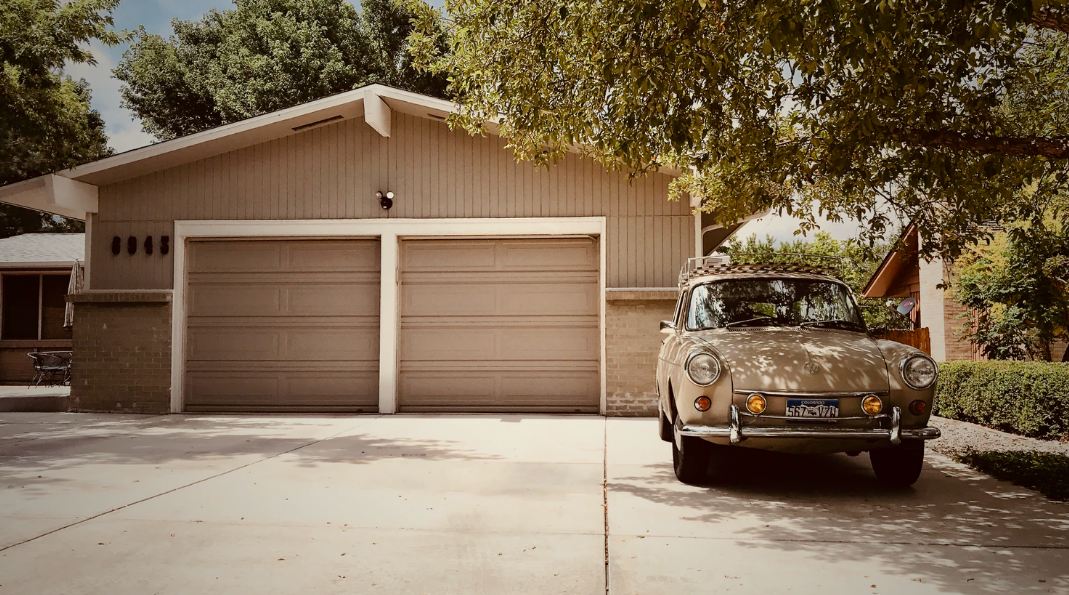
The idea of the garage as a parking space is becoming less common than many people assume. While garages were originally built to protect vehicles, today only a minority of homeowners consistently use them for that purpose. Instead, driveways and street parking have taken over, leaving garages free for other uses.
This shift reflects a change in priorities rather than necessity. For many households, convenience outweighs intention. It is easier to park in a driveway than to move stored items or reorganize space inside the garage. Over time, this small decision compounds, gradually redefining the garage’s role.
At the same time, the broader parking industry continues to expand, with commercial facilities absorbing demand that home garages no longer meet. This contrast highlights a quiet disconnect: while parking remains essential, the home garage is no longer the primary place where it happens.

The Clutter Crisis Turning Garages Into Storage Units
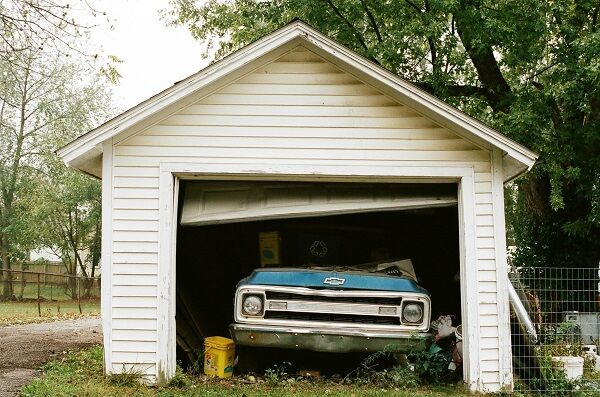
While the parking industry booms around you, your garage has quietly become something else entirely — a storage unit you happen to own. Space hoarding has reached a tipping point, and the numbers prove it. The global garage organization and storage market hit USD 28.97 billion in 2024 and could double by 2033.
Urbanization shrinks your living space, so seasonal overflow — holiday decorations, sports gear, tools — migrates straight to the garage. Families accumulating more possessions need somewhere to put everything, and the garage absorbs the excess first. North America leads this storage surge, holding 38.4% of the global market.
Garage cabinets alone command 44.8% market share in 2025, reflecting how seriously Americans are investing in managing the clutter they've created. The commercial application segment is projected to expand at a significant CAGR and retain its dominant position throughout the forecast period, signaling that this storage obsession extends well beyond the residential driveway.
Crack open more surprising facts from the world of home garages.
What Homeowners Actually Want Their Garage to Do
Despite the clutter, homeowners do not see the garage as a lost space. Instead, they view it as one of the most valuable and versatile parts of the home. It is where practical tasks happen—repairs, projects, and maintenance—but also where hobbies and personal interests take shape.
For many people, the garage represents opportunity. It can function as a workshop, a creative studio, or a place to experiment with ideas that would not fit neatly inside the home. This makes it less of a storage area and more of an active, evolving environment.
There is also an emotional dimension. An organized, functional garage often becomes a source of pride, reflecting effort and control over one’s space. It is not just about what the garage holds, but how effectively it works.
How Americans Use Garage Space Beyond Parking
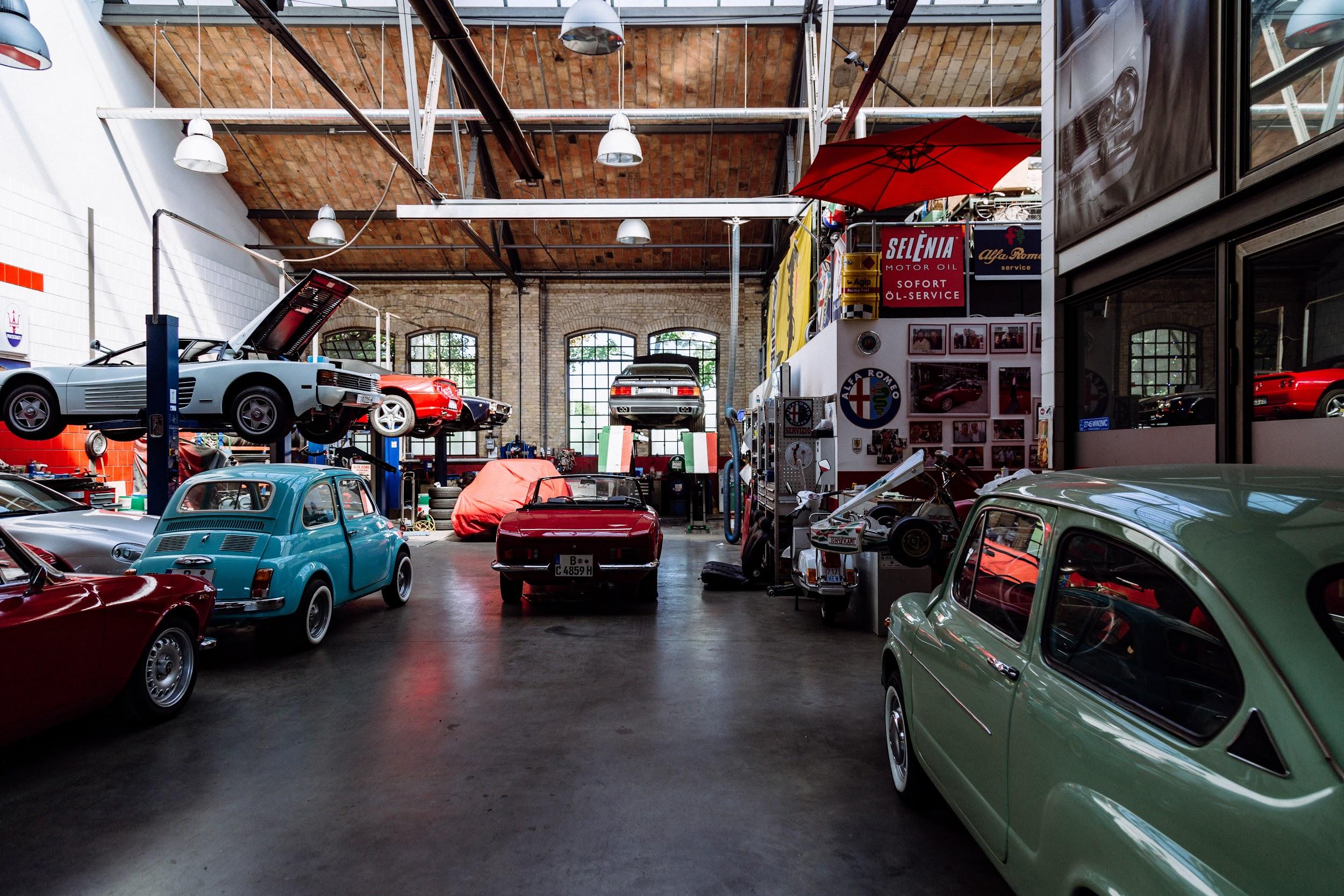
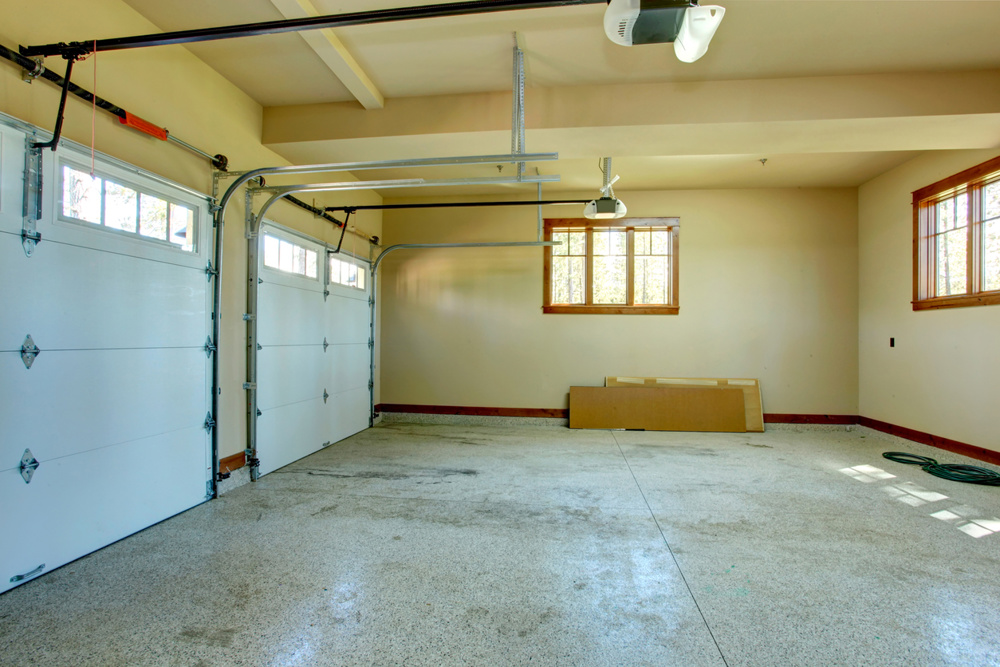
The modern garage has effectively become a multi-purpose room. It supports a wide range of activities, from woodworking and car maintenance to fitness and creative projects. In many homes, it operates as a hybrid space that blends utility with personal expression.
This shift is closely tied to broader lifestyle trends. The rise of DIY culture, home improvement projects, and remote work has increased the need for flexible environments. The garage provides that flexibility without disrupting the rest of the house.
In some cases, it also functions as a social space. Informal gatherings, small celebrations, and shared activities often take place in garages, especially when indoor space is limited. This reflects a subtle but important change—the garage is no longer isolated from daily life but integrated into it.
Why the Garage Became the Home’s Most Flexible Space
One of the most defining features of the modern garage is its flexibility. Unlike kitchens, bedrooms, or living rooms—which come with clear expectations—the garage exists in a kind of open-ended state. It is one of the few areas in a home where purpose is not fixed, allowing it to evolve alongside changing needs.
This flexibility makes it uniquely valuable. As lifestyles shift—whether through remote work, new hobbies, or growing families—the garage can absorb those changes without requiring major structural adjustments. It can transition from storage space to workshop, from gym to creative studio, often with minimal investment.
This adaptability also explains why the garage remains relevant despite its declining use for parking. It has become less about its original function and more about its potential. In a time when homes are expected to do more, the garage stands out as the space most capable of keeping up.
The Psychology Behind Why Garages Fill Up So Easily
The transformation of garages into storage-heavy spaces is not just practical—it is psychological. Garages tend to fill up because they sit at the boundary between inside and outside, making them an easy place to postpone decisions. Items placed there are not fully discarded, but they are also not part of everyday life.
This creates a cycle of delayed action. Objects accumulate because there is no immediate pressure to organize or remove them. Over time, the garage becomes a holding zone for uncertainty—things that might be useful, meaningful, or too difficult to throw away.
At the same time, the garage offers a sense of control. Even when clutter builds up, the space remains private and separate from the main living areas. This allows homeowners to tolerate disorganization longer than they would elsewhere in the home. Understanding this behavior helps explain why garages so often shift from flexible spaces into crowded ones—and why reclaiming them requires both physical effort and a change in mindset.
Why the Garage Storage Market Has Nearly Doubled
The garage storage market has nearly doubled because Americans like you're treating garages as legitimate living space — and the numbers prove it. The global market sat at $31.11 billion in 2025 and is climbing toward $55.08 billion by 2033, driven by a 7.4% CAGR.
Urban density is pushing homeowners to maximize every square foot, making wall-mounted systems and cabinets — which hold 44.8% of market share — essential rather than optional. Smart integration is accelerating that shift, with sensors and automated systems turning storage into something functional and connected.
North America leads this growth, fueled by strong DIY culture and high disposable incomes. You're not just storing things anymore — you're investing in infrastructure that makes your garage actually work for you. High initial costs, competition from DIY solutions, and fluctuating raw material prices like steel and plastic remain the primary challenges slowing wider adoption of these systems.
The Garage's Unlikely Role in American Business History
Garages have always been more than storage — they've been launchpads. Long before "startup incubators" became a buzzword, garages functioned as industrial workshops where ordinary people built extraordinary things. You'd be surprised how many brands shaping your daily life started in someone's backyard. Consider these defining moments:
- 1903 — Harley-Davidson launched inside a 10×15-foot wooden shed, becoming the world's largest motorcycle manufacturer.
- 1923 — Walt Disney created his first animated studio inside a one-car garage, inspiring Alice in Wonderland.
- 1939 — Hewlett-Packard launched in a 12×18-foot garage, eventually selling audio oscillators to Disney for Fantasia.
These weren't accidents — they were ambitions built with limited space and unlimited drive. In fact, the garage's reputation as a creative workshop was already well established by the hot rod era, when legendary customizers like Ed "Big Daddy" Roth transformed modest garage spaces into birthplaces of automotive innovation.
The Garage in Modern Culture: From Utility to Identity
As the role of the garage has expanded, so has its cultural meaning. It is no longer defined solely by function, but by what it enables. In many ways, it reflects how people balance productivity, creativity, and personal space within the home.
This shift is visible in media and everyday life. The idea of the “garage project”—whether building a car, launching a business, or creating something by hand—has become part of a larger cultural identity. It suggests self-reliance and a willingness to work outside formal systems.
Even in digital culture, the garage retains its symbolic power. Content creators, DIY enthusiasts, and small-scale entrepreneurs often frame their work within garage settings, reinforcing the idea that important things begin in ordinary places.
Conclusion
The American garage has undergone a quiet but significant transformation. What was once designed for vehicles has become one of the most adaptable spaces in the home, shaped by changing needs and lifestyles. Its current role reflects a blend of practicality and possibility.
It stores belongings, supports projects, and provides a space for experimentation. At the same time, it carries cultural meaning as a symbol of independence and creativity. Ultimately, the garage’s evolution shows how spaces can change without losing their relevance. It remains useful not because it serves a single purpose, but because it can become whatever the homeowner needs it to be.