How to Create a Home Garage Maintenance Calendar That Actually Works
A garage maintenance schedule sounds simple—until you try to follow one. Most homeowners start with good intentions, maybe even a checklist, but within a few weeks, it slips. Tasks get skipped, reminders get ignored, and the system quietly collapses. The problem isn’t laziness—it’s design. Most maintenance calendars are built like generic templates, disconnected from how people actually use their garages.
They rely on fixed dates instead of real conditions, ignoring differences in equipment, climate, and daily use. A schedule that works isn’t just a list of tasks. It’s a system built around your specific setup, your habits, and the natural rhythms of the year. When done correctly, it becomes less about remembering chores and more about maintaining a space that quietly supports your everyday life.
Why Most Garage Maintenance Schedules Fail Within 90 Days
Most maintenance plans fail not because they are unnecessary, but because they are unrealistic. They assume consistency without accounting for how people actually behave. When nothing appears broken, maintenance feels optional, and without visible urgency, it quickly falls down the priority list.
There is also a psychological gap between effort and reward. Tasks like lubricating hinges or checking balance do not produce immediate, noticeable results. Without feedback, it becomes difficult to justify the time spent, even though these small actions prevent larger, more expensive problems later.
The consequences of this delay are predictable. Minor wear compounds into system failure, and what could have been a quick fix turns into a costly repair. A successful maintenance calendar addresses this by making tasks feel manageable, relevant, and connected to real outcomes—not just theoretical ones.
Be sure to create your own custom calendar to keep your home organized all year long!
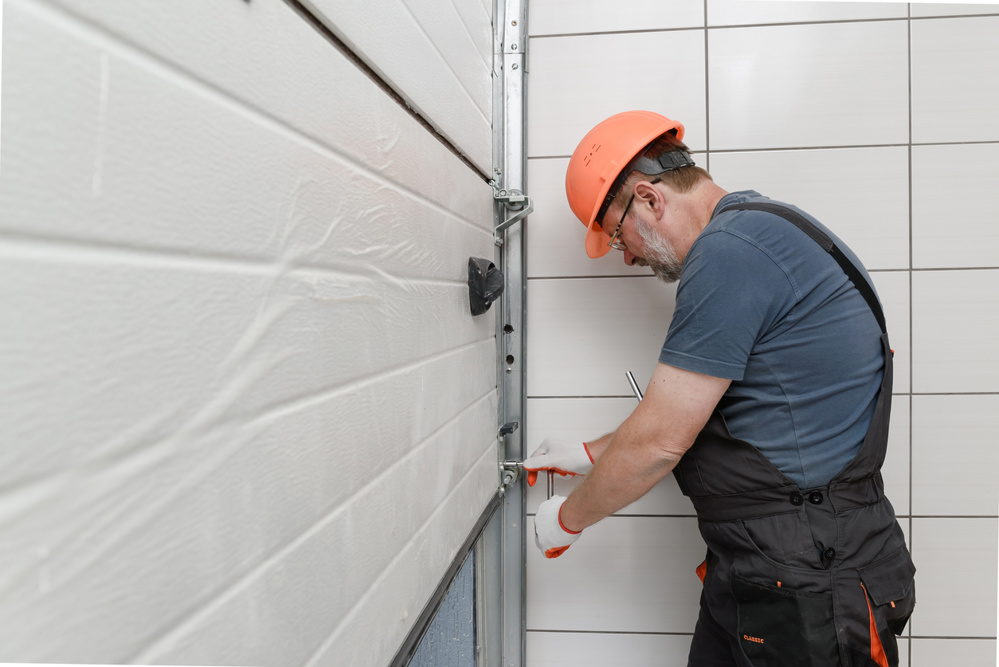
The Five Components Every Garage Maintenance Calendar Must Include
A reliable garage maintenance calendar always comes down to five core components: scheduled inspections, a lubrication routine, balance and safety testing, cleaning protocols, and a record-keeping system. Each one targets a specific vulnerability that causes premature wear or unexpected failure.
Your scheduled inspections catch visible damage early. Your lubrication routine keeps moving parts running quietly and efficiently. Balance and safety testing confirms your door's auto-reverse and spring systems actually work. Cleaning protocols prevent debris buildup that strains components over time.
The record-keeping system ties everything together. Use a hardware checklist to log completed tasks, note upcoming repairs, and track part condition over time. Set seasonal reminders so nothing slips through the cracks between monthly and annual checks. Together, these five components transform maintenance from guesswork into a dependable, repeatable system. Consistent annual maintenance also extends the lifespan of your door, opener, and all connected components over time.
Start With Your Equipment Before You Build Any Garage Maintenance Schedule
Before you build any maintenance schedule, take stock of what you're actually working with. Your equipment inventory shapes everything—task frequency, lubrication needs, and inspection priorities all depend on what you have installed.
Consider these three factors before scheduling anything:
- Opener type – Chain drives need more frequent lubrication than belt drives.
- Spring system – Torsion springs and extension springs require different inspection approaches.
- Usage patterns – A door cycling ten times daily wears components faster than one used twice.
Once you've documented your equipment inventory and tracked your usage patterns, you'll spot which components demand monthly attention versus annual servicing. Don't guess—let your specific setup dictate your schedule. A generic calendar rarely matches your garage's actual maintenance demands. As part of this process, walk the entire door frame and check your weather stripping and seals for cracks, gaps, or brittleness that could signal energy loss or moisture entry.

Build Your Garage Maintenance Calendar Around Seasons, Not Just Dates
Time-based schedules often fail because they ignore environmental factors. Seasonal changes place different types of stress on garage systems, making it more effective to align maintenance tasks with weather patterns rather than fixed calendar dates.
Spring is ideal for inspecting damage caused by colder months, including worn cables or misaligned tracks. Summer heat can affect materials and increase wear on rollers, making it a good time for cleaning and ventilation checks. Fall is the moment to prepare for colder temperatures by sealing gaps and tightening hardware. Winter requires monitoring for ice buildup and ensuring safety systems respond correctly.
This seasonal approach creates a rhythm that feels intuitive. Instead of forcing maintenance into arbitrary time slots, it connects tasks to real conditions, making them easier to remember and more relevant to the garage’s actual needs.
Which Garage Maintenance Jobs Require a Pro vs. DIY Hands
Knowing which garage maintenance tasks you can handle yourself—and which ones demand professional expertise—can save you both money and serious injury. Understanding professional vs. DIY safety thresholds keeps your garage functional without unnecessary risk.
Handle these yourself:
- Cleaning tracks, lubricating moving parts, and tightening loose hardware
- Applying weatherstripping and performing visual inspections
- Checking fluid levels and replacing basic filters in your garage vehicles
However, certain jobs cross critical safety thresholds. Broken springs operate under extreme tension, snapped cables require specialized handling, and misaligned tracks need expert realignment. Garage doors weigh 150–300 pounds, meaning improper repairs can cause serious injury, strain your opener, or void warranties.
When in doubt, call a professional—it's cheaper than an emergency room visit. Professional technicians bring the specialized tools and training needed to safely manage high-tension components that can cause violent, life-threatening failures if mishandled.
Monthly Garage Door Safety Tasks You Cannot Skip
Your garage door handles hundreds of cycles per year, and skipping monthly safety checks lets small issues escalate into expensive failures—or worse, serious injuries. Start with a visual sweep—look for frayed cables, cracked rollers needing roller replacement, rust spots, and worn weatherstripping.
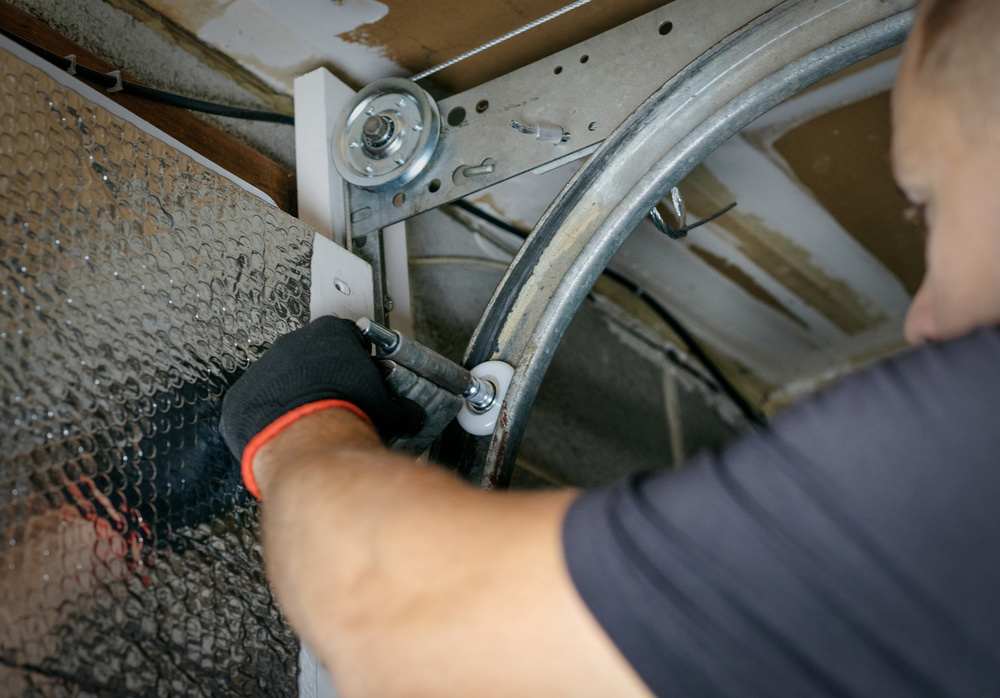
Test safety sensors by placing an object in the door's path; it should reverse instantly. Any delay signals sensor alignment problems requiring professional evaluation. Next, tighten all rail brackets, roller brackets, and pulley mounts with a wrench since vibration gradually loosens fasteners.
Apply non-silicone garage door lubricant to rollers, hinges, springs, and tracks—never WD-40. Finally, disconnect your opener and manually lift the door. If it feels heavy or uneven, you've got a spring tension issue requiring professional attention. During your monthly inspection, wipe down sensor lenses with a soft cloth to remove dust and debris that can interfere with proper detection.
Annual and Seasonal Tasks for Springs, Rollers, and Weather Stripping
While monthly checks keep your garage door running safely day to day, certain tasks only need attention once or twice a year—and skipping them shortens the lifespan of your springs, rollers, and weather stripping considerably. Prioritize these three seasonal testing and annual tasks:
- Springs – Lubricate every 3–6 months to prevent spring corrosion, and replace after 7–10 years or 10,000 cycles.
- Rollers – Check roller alignment quarterly, lubricate every 3–6 months, and replace nylon rollers showing cracks every 2–3 years.
- Weather stripping – Schedule stripper replacement after 7–10 years, clean debris quarterly, and adjust before winter to block drafts.
You'll also want to disconnect your opener seasonally and lift the door halfway—it should hold position without assistance. Installing safety cables with torsion springs is equally important, as they contain loose parts and limit excessive tension if a spring unexpectedly fails.
The Best Digital Tools for Tracking Garage Door Maintenance
Consistency becomes easier when supported by the right tools. Digital platforms and reminder systems help transform maintenance from something you have to remember into something that happens automatically.
Apps and tracking tools allow you to log completed tasks, set reminders, and store information about your garage system. This creates a centralized record that can be accessed whenever needed, making it easier to plan future maintenance or communicate with professionals.
More importantly, these tools reduce mental effort. Instead of relying on memory, you create a system that supports itself. Over time, this consistency is what keeps a maintenance calendar functioning long after the initial setup.
How to Document Garage Repairs So the Record Actually Helps You Later
Digital tools are only as useful as the information you feed them, so knowing how to document garage repairs properly is what separates a record that actually guides future decisions from one that just collects data. A thorough repair history helps you spot recurring issues, plan budgets, and simplify parts sourcing when components need replacing.
Every entry should include:
- The date, specific component inspected or repaired, and observed condition
- Products or lubricants used, including brand and application area
- Technician recommendations, replaced parts, and scheduled follow-ups
You'll also want to note whether repairs were DIY or professional, since high-tension components like springs and cables require expert service. Consistent, precise entries transform your log from a passive record into an active maintenance guide. Scheduling professional maintenance once or twice a year ensures that inspections, lubrication, and safety checks are performed at intervals your log can then reflect accurately.
Five Signs Your Garage Maintenance Calendar Needs a Reset
Even a well-designed system can drift over time. Recognizing when your maintenance calendar is no longer effective allows you to reset before problems accumulate. Signs of inconsistency often appear in small ways—missed tasks, repeated minor issues, or equipment behaving unpredictably. These indicate that your schedule may no longer align with your current usage or conditions.
Resetting the system involves reviewing your routine, adjusting task frequency, and simplifying where necessary. A maintenance calendar should evolve with your needs. When it remains flexible, it continues to function as a reliable system rather than becoming another forgotten plan.
Conclusion
A garage maintenance calendar only works if it fits into your life. The most effective systems are not the most detailed—they are the ones that align with how you actually use your space. By focusing on your specific equipment, adapting to seasonal changes, and maintaining a simple record of what has been done, you create a routine that feels manageable rather than overwhelming.
Over time, this consistency prevents problems before they appear. Ultimately, maintenance is less about tasks and more about awareness. When your system works, it fades into the background—quietly supporting the reliability and safety of a space that plays a central role in everyday life.