San Antonio Garage Must-Haves for Weather and Daily Use
A well-prepared garage in San Antonio’s hot, humid, and storm-prone climate requires materials and maintenance practices designed for South Texas conditions. Durable weatherstripping, strong door materials, and proper ventilation can help protect vehicles, tools, and stored belongings from heat, moisture, and sudden storms.
Regular inspection of seals, moving parts, and drainage areas also helps prevent costly repairs over time. The sections below outline practical steps homeowners can take to keep their garages functional and protected throughout the year.
Why San Antonio's Climate Can Affect Your Garage
San Antonio’s climate brings intense summer heat, humidity, and periodic heavy rain, all of which can impact garage doors and stored items. Summer temperatures frequently climb above 95–100°F, and high humidity levels can contribute to rust on metal components and deterioration of rubber seals.
Temperature swings between day and night can also affect springs, seals, and other mechanical parts. While most residential garage door springs are typically rated for around 10,000 opening-and-closing cycles, lifespan depends more on usage and maintenance than on climate alone. Proper lubrication and routine inspections help extend the life of these parts.
Unlike coastal Texas cities, San Antonio is located inland, so salt air corrosion is not a significant factor for most garages in the area.
Weather Stripping That Protects San Antonio Garages
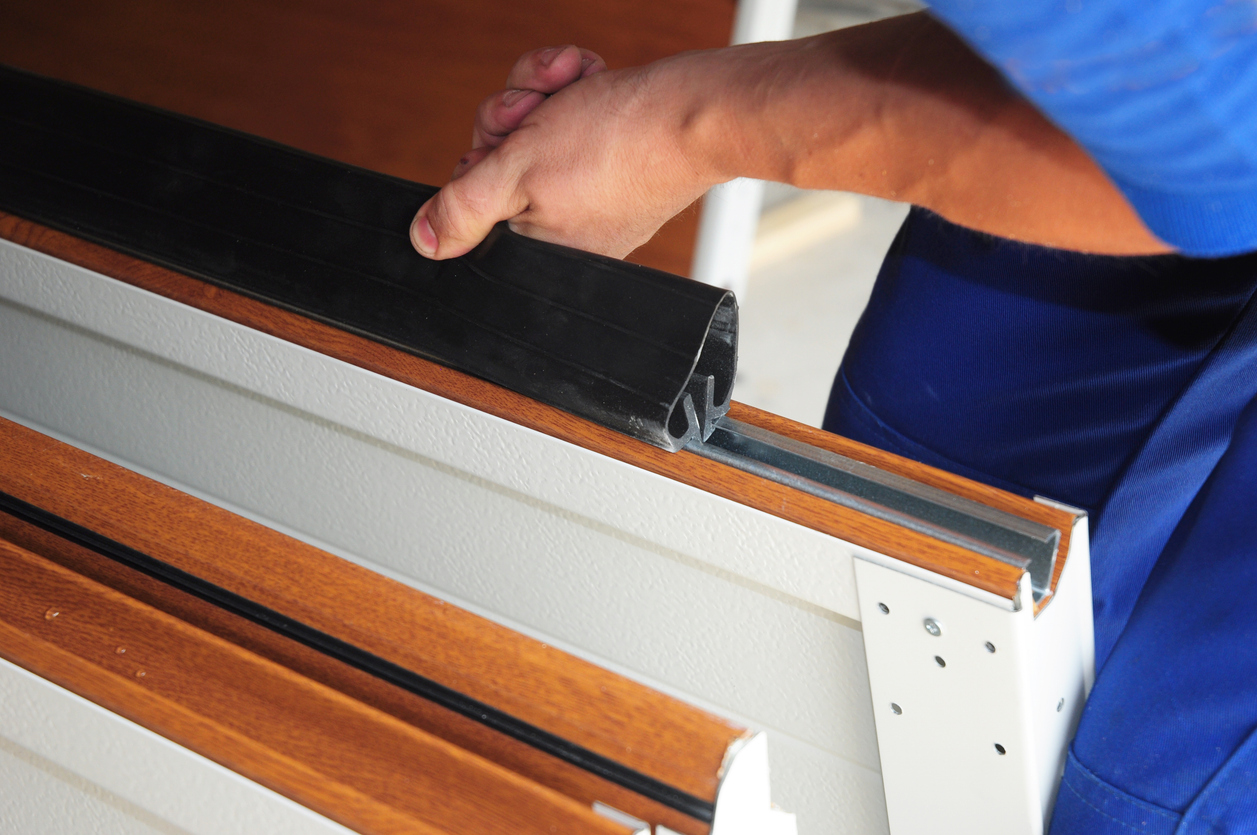
Quality garage door weatherstripping helps keep rainwater, dust, insects, and hot air from entering the garage. Most modern systems include several types of seals that work together.
Common weatherstripping components include:
- Bottom seals, which close the gap between the garage door and the floor
- Side and top seals, which block wind and debris around the frame
- Threshold seals, installed on the floor to prevent water intrusion during storms
Rubber or vinyl seals are widely used because they remain flexible during temperature changes. Adhesives designed for outdoor construction applications help ensure the seals remain secure.
Inspect weatherstripping at least once or twice per year and replace sections that show cracks, brittleness, or gaps.
Signs Your Garage Seals Need Replacement
Over time, garage door seals naturally wear out. Identifying problems early helps prevent water damage and pest entry.
Common warning signs include:
- Visible cracks or brittleness in rubber seals
- Daylight visible along the door edges when the door is closed
- Water pooling or damp spots inside the garage after storms
- Increased dust, insects, or leaves entering the space
A simple test is to close the garage door and check whether light passes through the edges. If you can easily slide paper under the door, the bottom seal may need replacement.
Ventilation Requirements for San Antonio Garage Heat and Humidity
Because garages can become extremely hot during Texas summers, proper ventilation helps reduce heat buildup and moisture. Well-ventilated garages also help prevent musty odors and protect stored tools or equipment from humidity.
Ventilation solutions include:
- Passive wall or soffit vents
- Roof vents or attic vents above attached garages
- Exhaust fans for garages used as workshops
Some building guidelines suggest ventilation openings equal to roughly 4 percent of the garage floor area when relying on natural ventilation, though exact requirements may vary depending on construction type and local building codes.
Improved airflow can help reduce temperatures and improve comfort for homeowners using the garage for storage or projects.
Sealing Cracks and Entry Points Against Storm Water
Heavy thunderstorms occasionally produce flash flooding in parts of San Antonio, so sealing small cracks and gaps can help reduce the risk of water entering the garage.
Inspect the following areas regularly:
- Cracks in the concrete slab or foundation
- Gaps where the garage door frame meets the wall
- Pipe, conduit, or vent penetrations through the wall
Use concrete crack filler or masonry sealant for small gaps in the floor or walls. Flexible exterior sealants work well around door frames and utility penetrations.
Maintaining proper drainage outside the garage is equally important. Ensure the driveway slopes away from the structure so water flows away from the door.
San Antonio Garage Fire Safety and Drywall Requirements
Garages attached to homes must meet specific fire safety requirements under modern building codes.
Typical safety features include:
- ½-inch gypsum drywall on walls separating the garage from living areas
- ⅝-inch Type X drywall when a living space exists above the garage
- A self-closing, fire-rated door between the garage and the house
Openings directly from a garage into a bedroom are generally prohibited for safety reasons. These requirements help slow the spread of fire and protect occupants inside the home.
Homeowners planning renovations should confirm current standards with local building authorities or contractors.
Floor Curbs That Block Water and Chemical Spills
Some garages benefit from small containment barriers that help prevent liquids from spreading across the floor.
Options include:
- Rubber or polymer containment berms for temporary use
- Low concrete curbs installed near storage areas
- Portable spill barriers used in workshops or garages storing chemicals
These barriers are particularly helpful when storing automotive fluids, lawn equipment, or cleaning chemicals, reducing the chance of spills spreading across the floor.
For most residential garages, simple rubber or foam containment systems provide adequate protection.
Steel vs. Wood Garage Doors for Texas Weather
Choosing the right garage door material can improve durability and reduce maintenance.
Steel garage doors are common in Texas because they resist warping, insects, and moisture. Many models also include insulation that helps moderate temperature swings inside the garage.
Wood garage doors offer classic appearance but require more maintenance. Exposure to heat, humidity, and rainfall can lead to cracking or warping if the door is not regularly sealed and maintained.
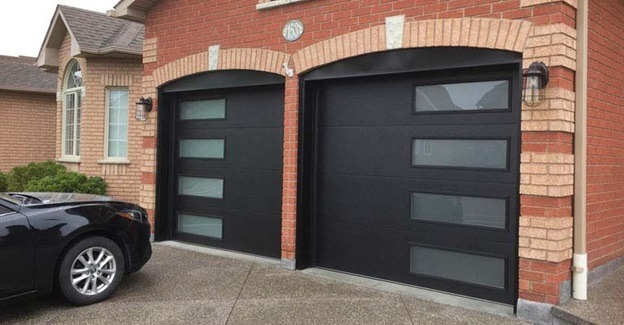
Some homeowners also choose aluminum and glass garage doors for a modern look. These doors resist rust and are lighter than steel, though they typically provide less insulation.
Insulated Garage Doors for Heat Reduction
In San Antonio’s hot climate, insulated garage doors can significantly reduce heat transfer into the garage and adjacent living spaces. Many modern steel garage doors include polyurethane or polystyrene insulation, which helps limit temperature buildup inside the garage during summer months.
An insulated door can also improve energy efficiency for homes where the garage shares a wall with interior rooms. By slowing heat transfer, insulated doors help reduce strain on air conditioning systems during extended heat waves.
Homeowners should look for doors with higher R-values, which indicate stronger insulation performance. Even moderate insulation levels can make garages more comfortable and help protect temperature-sensitive items stored inside.
Monthly Maintenance That Helps Prevent Costly Garage Repairs
Routine maintenance helps keep a garage door system operating smoothly and safely.
Simple maintenance tasks include:
- Inspecting springs, rollers, and cables for visible wear
- Tightening loose bolts or hardware
- Cleaning debris from door tracks
- Testing the auto-reverse safety feature using a small object placed under the door
Lubricate hinges, rollers, and springs using silicone-based or lithium garage door lubricant. Avoid heavy oils that attract dirt.
Performing basic maintenance every few months can extend the lifespan of many components and reduce the risk of unexpected repairs.